Instrumented Testing
Strain gauges, potentiometers and data logging turn feel into numbers that can be argued with.

From Sensation to Signal
A development rider returns to the pit and says the chassis feels vague through the compression phase of a fast corner. That is useful. It is also unverifiable, unrepeatable and impossible to act on directly. Bolt a strain gauge to the swingarm pivot, attach a potentiometer to the suspension linkage and run a data logger at a thousand samples per second, and the same lap becomes a curve on a screen that two engineers can disagree about precisely. That precision is the point.
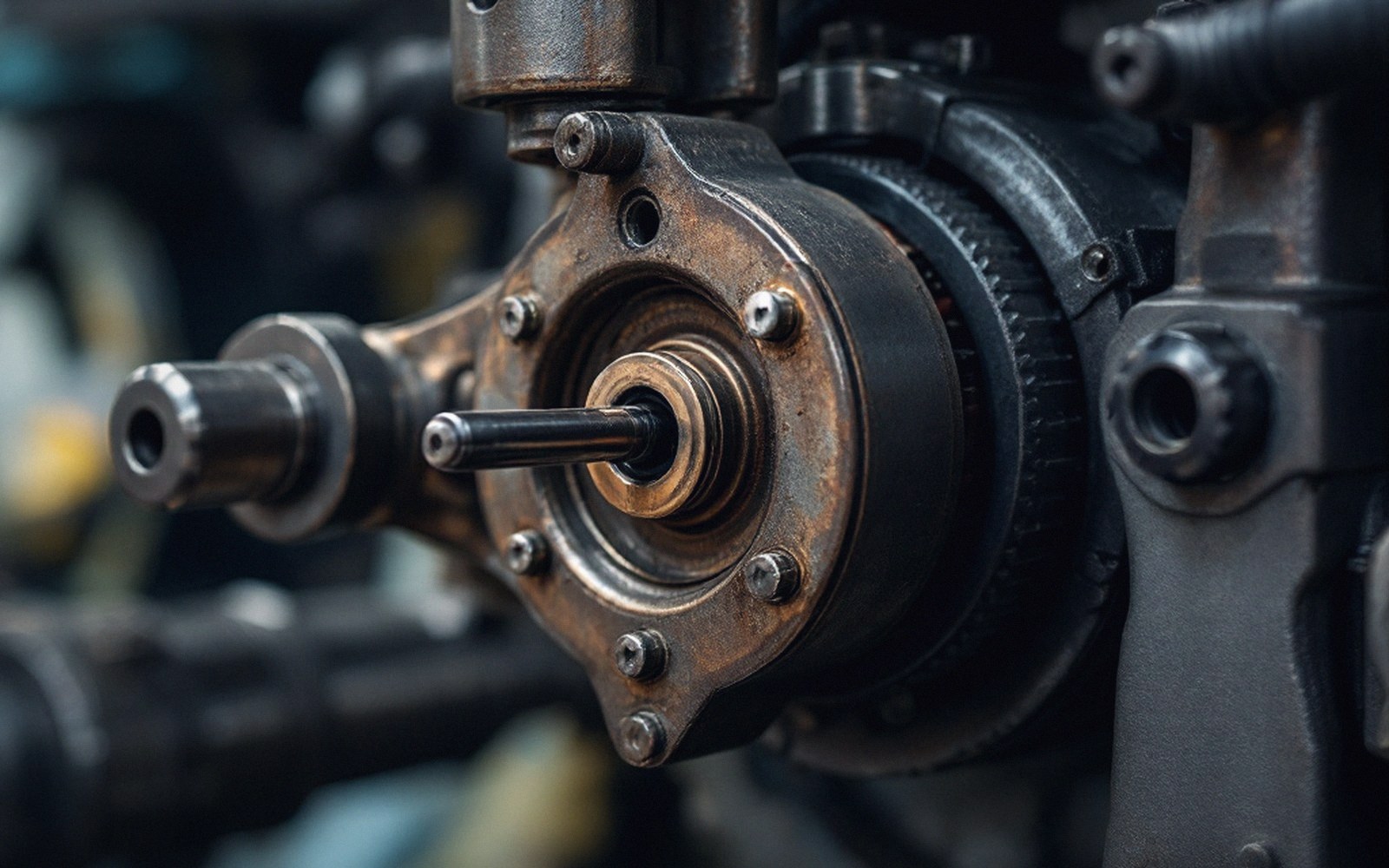
Strain gauges are the oldest workhorse. A thin foil grid bonded to a structural member changes its electrical resistance as the metal deforms. Because the relationship between deformation and resistance change is linear and predictable, the output voltage maps directly to load. A gauge cluster on the steering head, for instance, can resolve the forces being fed into the frame from the fork during dive under braking — numbers that the rider's hands approximate but cannot quantify. Arrays of gauges placed on opposite faces of a tube give bending and torsion separately, which matters enormously when the goal is to understand whether a frame is flexing in a useful, controlled way or in a damaging one.
Potentiometers — or, in more recent practice, non-contact linear and rotary sensors — measure position. A small linear pot linked to the fork leg traces suspension travel continuously; a rotary sensor at the steering head records steering angle against time. Combine those two channels and you can read, for any instant in the lap, exactly how much steering input preceded a given suspension event. That kind of correlation is where instrumented data earns its place: it finds relationships that feel alone cannot establish.
What the Numbers Capture
A modern data acquisition system on a development machine will typically log suspension displacement front and rear, lean angle from an inertial measurement unit (IMU), three-axis accelerometry, steering torque, wheel speeds at each end and throttle position — all time-stamped to a common clock so every channel can be overlaid. The IMU deserves particular attention. A gyroscopic rate sensor inside the unit measures angular velocity around three axes, and by integrating that signal the system builds a continuous picture of lean angle, yaw rate and pitch. Because gyroscopic precession produces real forces on the steering mechanism, logging steering torque alongside IMU lean rate lets engineers separate rider input from geometry-driven self-steering — a distinction that matters when tuning trail, rake or camber thrust response.
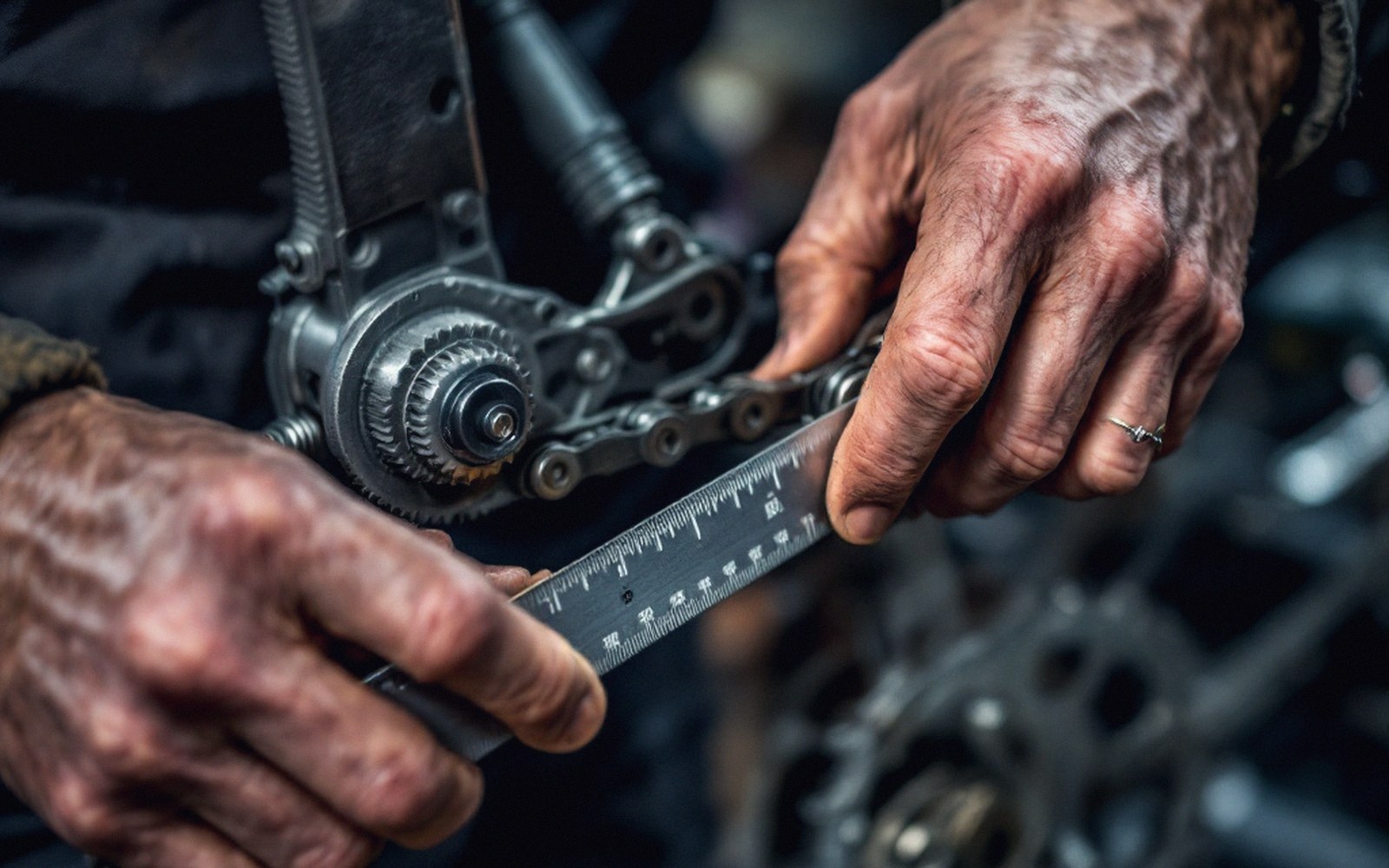
Chassis manufacturers, from Norton's frame development in the early Featherbed era onward, relied on qualitative feedback because instrumentation was impractical at speed. The change came incrementally through the 1970s and 1980s as solid-state electronics shrank the hardware. Honda's race engineering programme and BMW Motorrad's development work in Munich moved data logging from laboratory curiosity to trackside tool during the 1980s; by the 1990s even small production-development programmes could run basic multi-channel systems. Today's IMU-based units, used across manufacturers from Bologna to Munich, weigh a few hundred grams and sample faster than any mechanical event on the chassis.
The important discipline is knowing what each sensor does not capture. A strain gauge records load at one point; it says nothing about the load path elsewhere in the structure unless you have gauges there too. Suspension position tells you where the spring is; it does not directly tell you where the contact patch is, because tyre sidewall deflection adds compliance the sensor never sees. What a number hides is as consequential as what it reveals, and interpreting instrumented data demands the same scepticism as interpreting a rider's words.
The real advance instrumented testing provides is persistence. A corner that happened once, at a particular speed and fuel load, exists in the data permanently. The engineer and the rider can both look at the same moment, agree on what the numbers show and argue about what caused it — and that argument, grounded in a shared record, is how chassis development actually moves forward.

Read next
Elsewhere on the site Steering
Countersteering
Above walking pace you turn by pushing the bar away from the corner and the machine falls into the turn.
 Geometry
Rake and trail
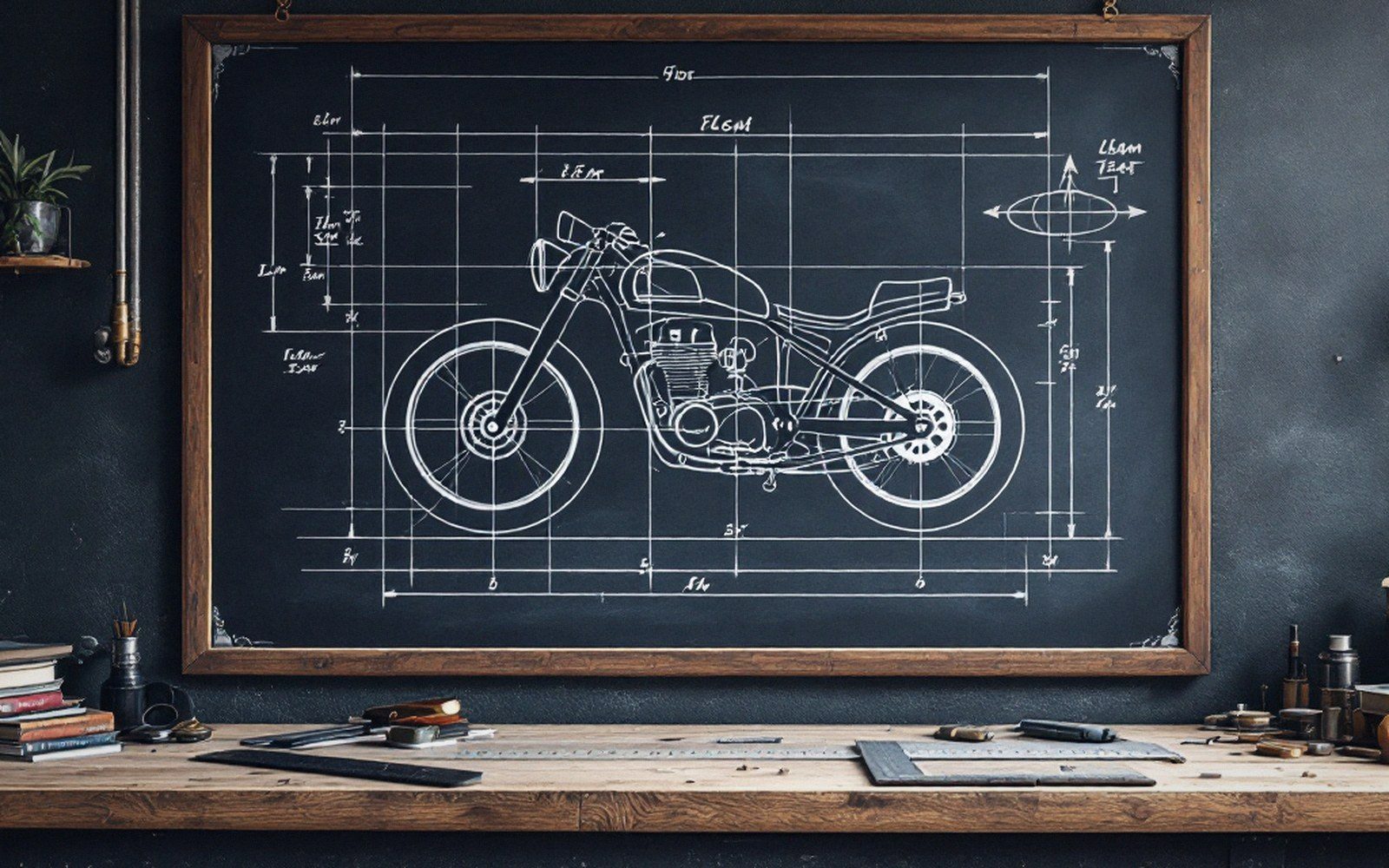
The head angle and the distance the contact patch trails behind the steering axis decide how willingly the machine turns and how hard it resists.
 The Front End
The telescopic fork
Almost universal and structurally poor: it bends under braking and its damping fights its own suspension duty.