What a Number Hides
Rake, trail and wheelbase are measured with the machine on a stand. Ride it, and every figure shifts.
The geometry that moves
Pick up any road test data sheet and you will find a neat table: steering head angle, trail, wheelbase, expressed to the nearest millimetre or tenth of a degree. These numbers are real, but they describe a motorcycle that does not quite exist — a static machine, unpiloted, on a paddock stand, with fuel aboard and nothing happening to it.

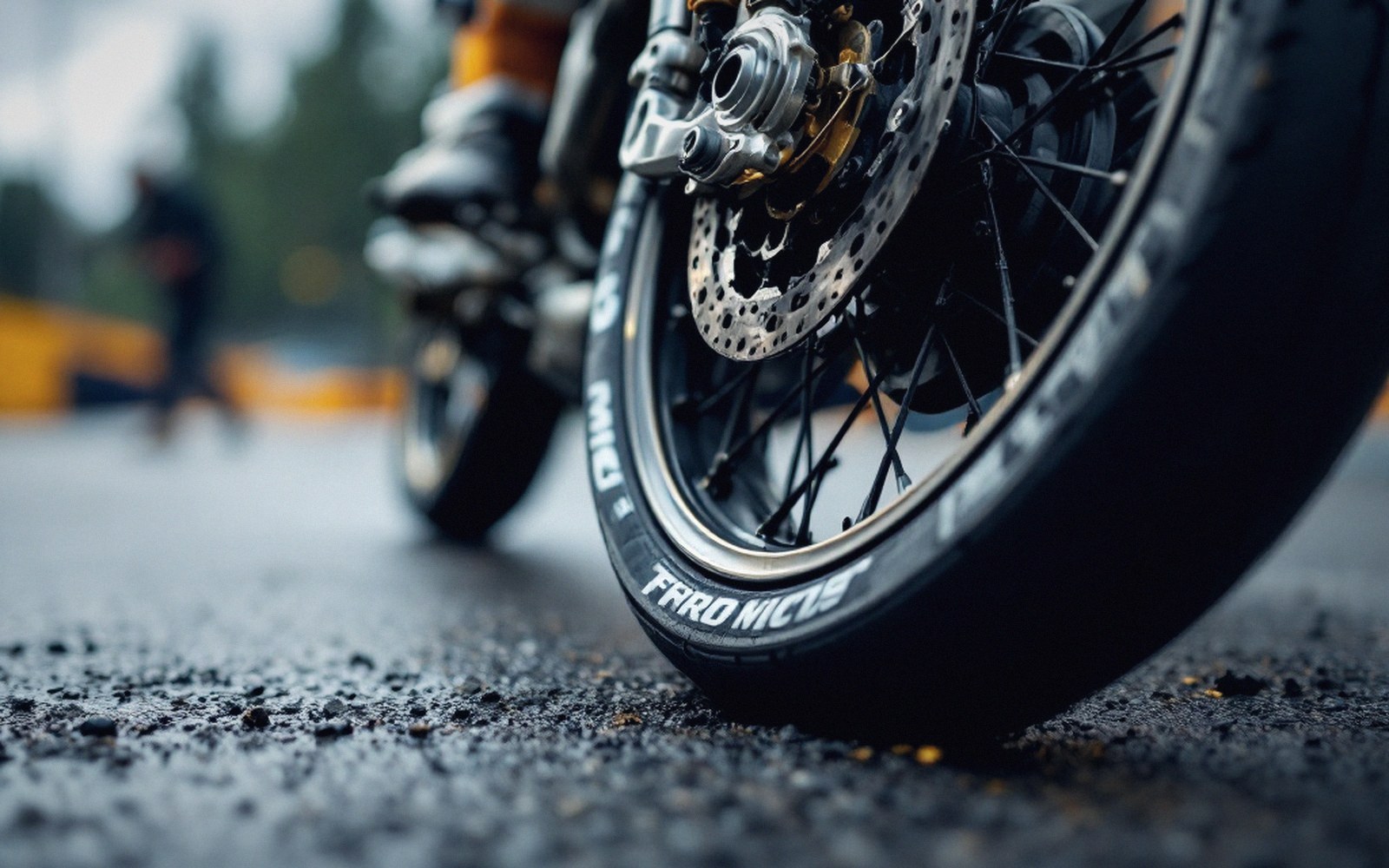
Put a rider on it and the suspension compresses under load. The forks settle forward and down. Trail shortens, rake decreases fractionally, and the front contact patch moves rearward relative to the head — so wheelbase shrinks too. The machine has already changed before a wheel turns.
Now apply the front brake. The fork dives — it compresses further under the load transfer that weight and deceleration push onto the front wheel. On a conventional telescopic fork that compression is substantial: the same tubes that slide for suspension also carry the braking moment, and they do both jobs with increasing friction as load rises. Trail shortens further still. At maximum deceleration on a sporting machine with stiff springs, it can decrease by enough to make steering feel nervous and the self-centring effect weaker, because a shorter trail produces less of the restoring force that makes a wheel want to align with the direction of travel — the very mechanism rake and trail geometry is designed to exploit.
The change is not hypothetical. Instrumented measurements on production machines under hard braking have recorded fork compression of 30–50 mm in normal road use, with corresponding geometry shifts that would read as meaningfully different configurations if they appeared in a static data sheet. The designer therefore works with a target geometry in a defined dynamic condition — often a nominal "riding position" with a specified load — not the number the press release quotes.

This matters for chassis tuning. Raising spring preload reduces dive and preserves more trail under braking, but it also raises the ride height at rest and changes static weight distribution. Fitting a steering damper can mask the twitchiness that shortened trail produces, without addressing the cause. Anti-dive systems, whether hydraulic or geometry-based, attempt to reduce the fork compression under braking directly; they each introduce their own compromises in ride quality and mechanical complexity.
The static figure is a starting point and a comparison tool. The chassis engineer's real question is what the geometry becomes when the machine is loaded, moving, braking and leaning — a four-dimensional problem for which the data sheet offers only one frame of a long film.
Read next
Elsewhere on the site Steering
Countersteering
Above walking pace you turn by pushing the bar away from the corner and the machine falls into the turn.
 The Front End
The telescopic fork
Almost universal and structurally poor: it bends under braking and its damping fights its own suspension duty.
 Engine as Layout
The flat twin
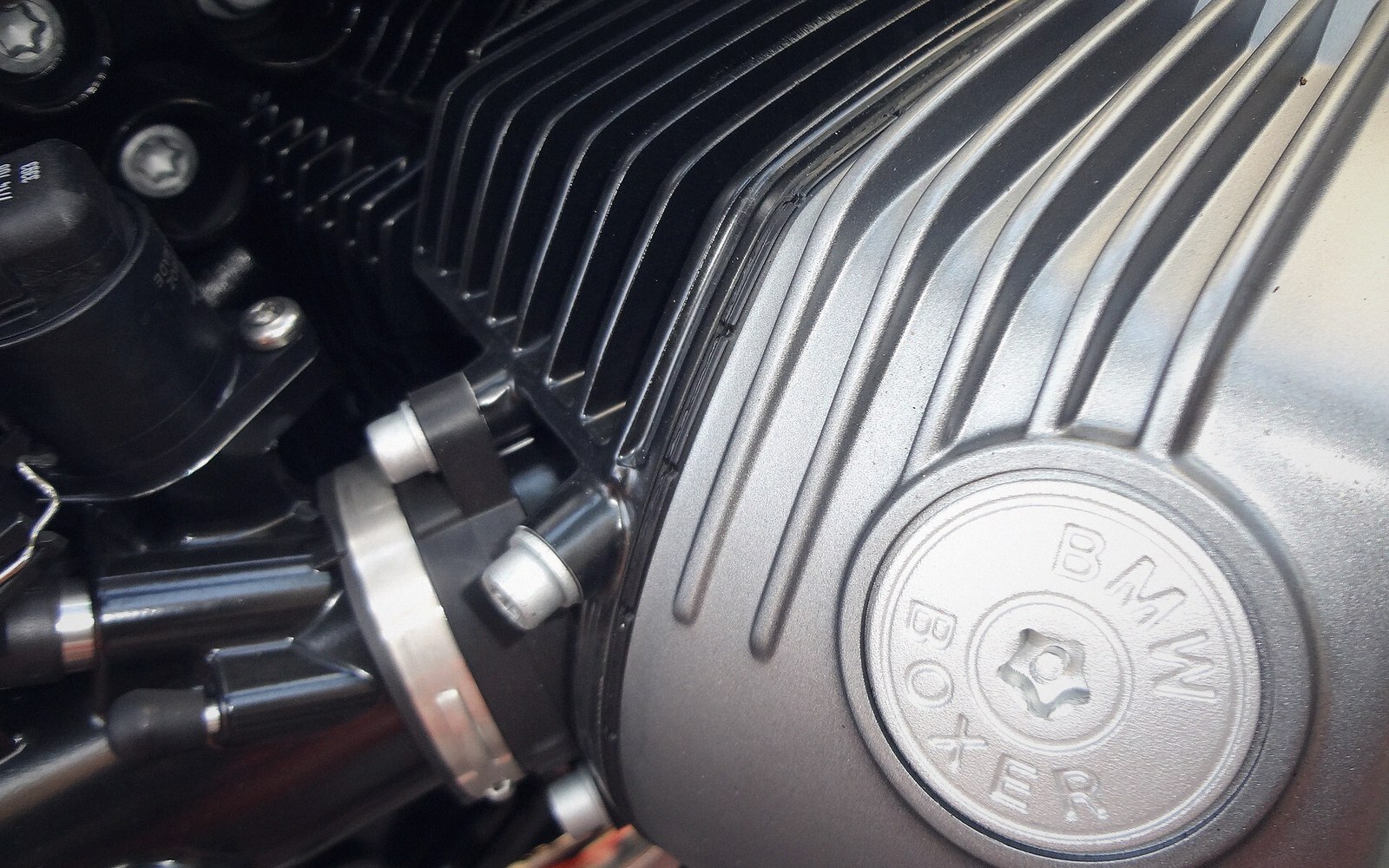
Cylinders in the airflow and mass carried low, at the cost of width and a torque reaction when you blip it.