Wheelbase
The single dimension that everything else negotiates against.

What it measures and why it matters
Wheelbase is the horizontal distance between the two contact patches — not axle centre to axle centre through the air, but the ground projection. On a typical middleweight roadster that distance sits somewhere in the region of 1,400–1,450 mm; a long-wheelbase tourer might stretch past 1,500 mm, while a purpose-built superbike can be trimmed below 1,400 mm. The number sounds simple. Its consequences are not.
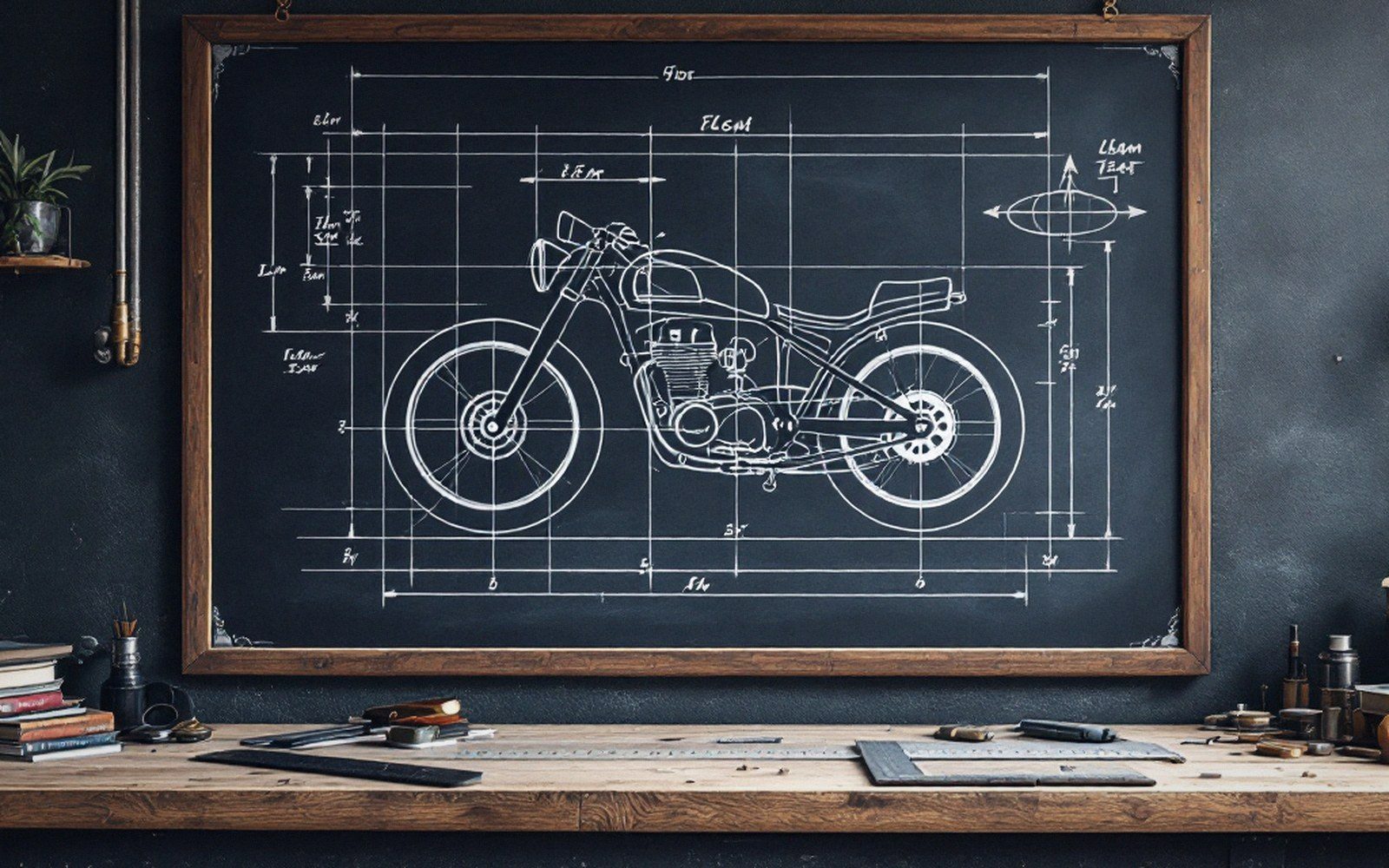
Stability and agility pull in opposite directions along this single dimension. A longer wheelbase distributes the machine's mass over a greater horizontal span, which reduces the proportion of that mass acting through any angular acceleration about the steering head. The machine resists being tipped into a turn — useful on a motorway, a liability on a tight mountain road. Shorten the wheelbase and the polar moment of inertia about the yaw and roll axes drops; the machine responds earlier and with less input, which is precisely what a racer wants and exactly what makes a novice nervous.
The geometry compounds this. Rake and trail are set at the drawing stage, but their effective values depend partly on where the wheels sit relative to each other. Lengthen the wheelbase by moving the rear axle back — as many chain-drive machines allow within their swingarm adjustment range — and you increase anti-squat characteristics, reduce the proportion of load on the front wheel under power, and subtly alter the self-centering behaviour of the steering without touching the head angle at all. The interdependencies are tight.
Mass, weight transfer, and the ground underneath
Wheelbase is also the lever arm over which weight transfers during acceleration and braking. The longer that arm, the more muted the transfer: a long-wheelbase machine lifts its front wheel less readily under hard acceleration and dives less severely under braking, because the geometry demands a larger longitudinal force to rotate the same mass through the same angle. BMW Motorrad's long-running boxer twins — with wheelbases typically in the 1,470–1,510 mm range depending on variant — have always used this characteristic as part of their stability argument, trading some agility for composure on long-distance work.
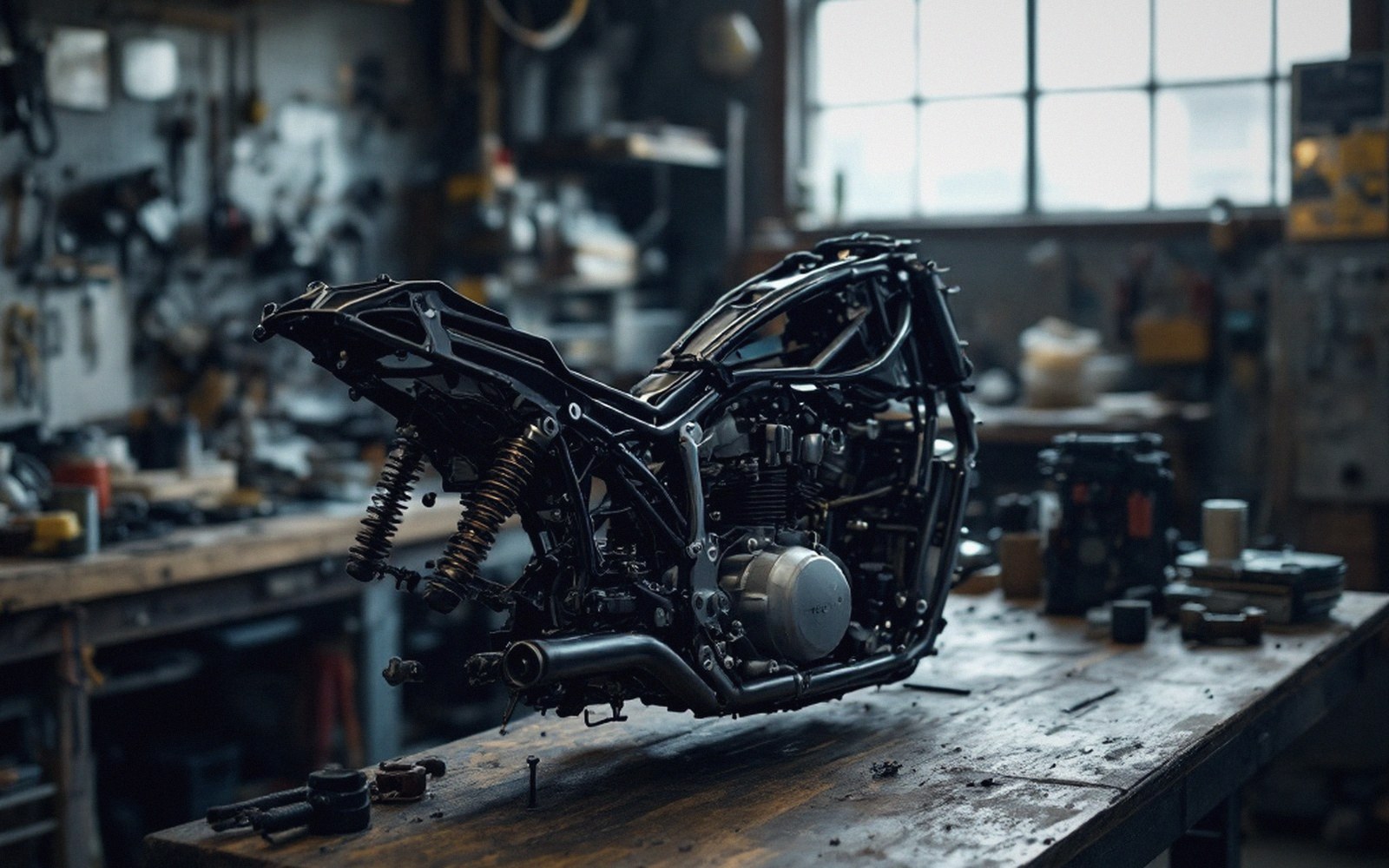
Shorten the wheelbase and those transfers amplify. The rear wheel of a short-chassis machine unloads faster under braking; the front end carries more of the stopping duty and is more sensitive to dive — the nose-down compression that changes every geometry figure while the machine is actually being used. Racers and their engineers manage this constantly, because the machine that turns quickest in the dry may become unpredictable the moment the balance shifts.
Weight distribution matters independently, but it is wheelbase that determines how sensitive the machine is to that distribution. Moving an engine or a fuel tank by 20 mm on a short chassis moves the centre of gravity by a meaningfully larger proportion of the total wheelbase than the same change on a long one. Honda's engineers face this arithmetic every time a new inline-four is packaged: the engine is wide and sits high, and the wheelbase required to accommodate it cleanly while keeping the weight distribution in range tends to be longer than a pure handling brief would demand.
What the frame inherits
Frame designers do not choose a wheelbase so much as discover it — it emerges from engine dimensions, swingarm length, steering geometry, and the intended duty. Rex McCandless arrived at the Featherbed's proportions in Belfast in the early 1950s by working backward from what Norton's existing engine imposed and what the Isle of Man TT demanded. The result was a chassis that happened to find a wheelbase well-matched to the power available and the courses being raced, a coincidence that had more method in it than luck.
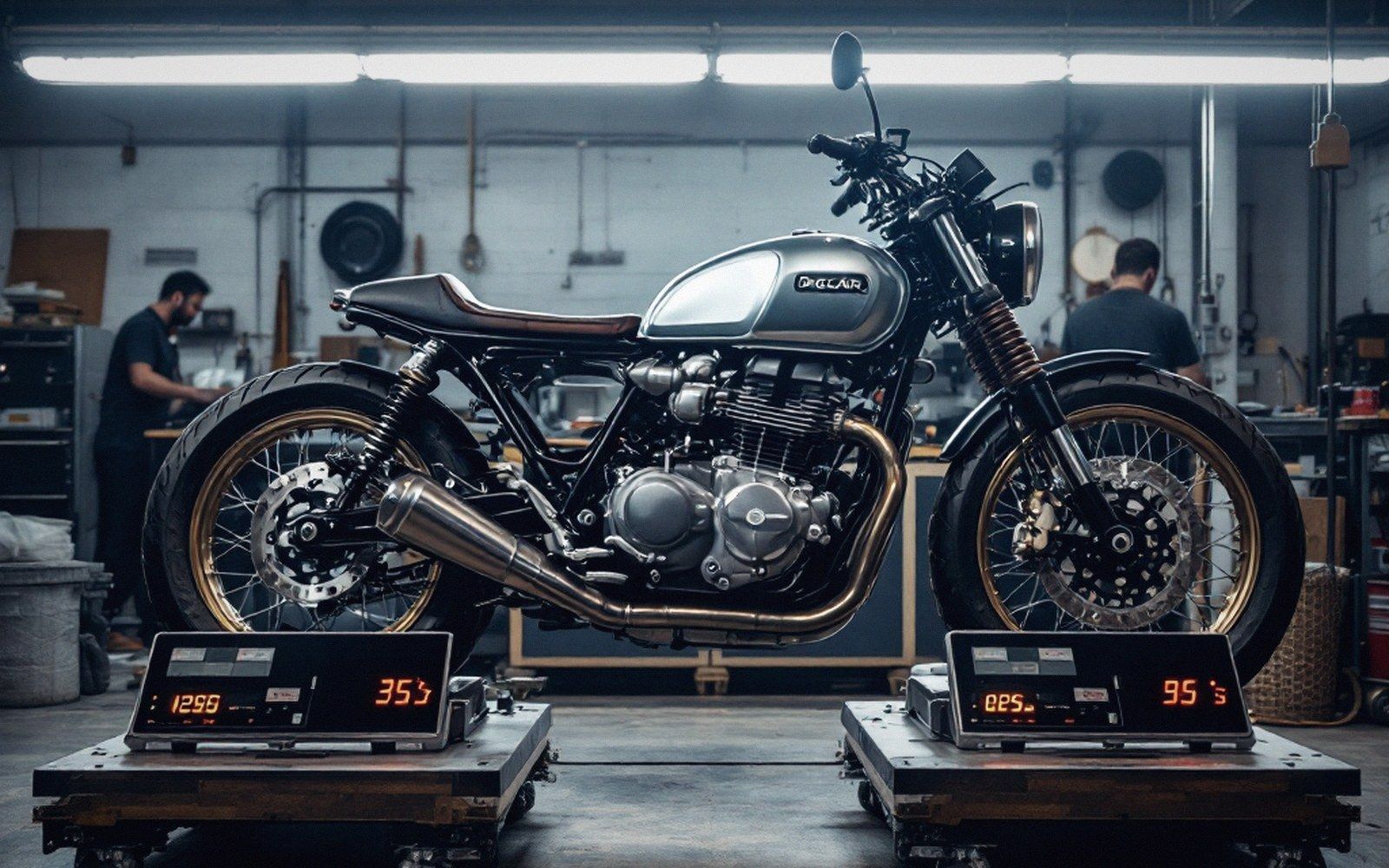
Every number that follows in the design — swingarm pivot height, engine mounting position, fuel capacity — is negotiated inside the constraint that wheelbase sets. It is less a specification than a consequence, and the most revealing thing an engineer can say about a machine's character is usually where on that long-to-short axis they chose to land.
Read next
Elsewhere on the site Steering
Countersteering
Above walking pace you turn by pushing the bar away from the corner and the machine falls into the turn.
 The Front End
The telescopic fork
Almost universal and structurally poor: it bends under braking and its damping fights its own suspension duty.
 Engine as Layout
The flat twin
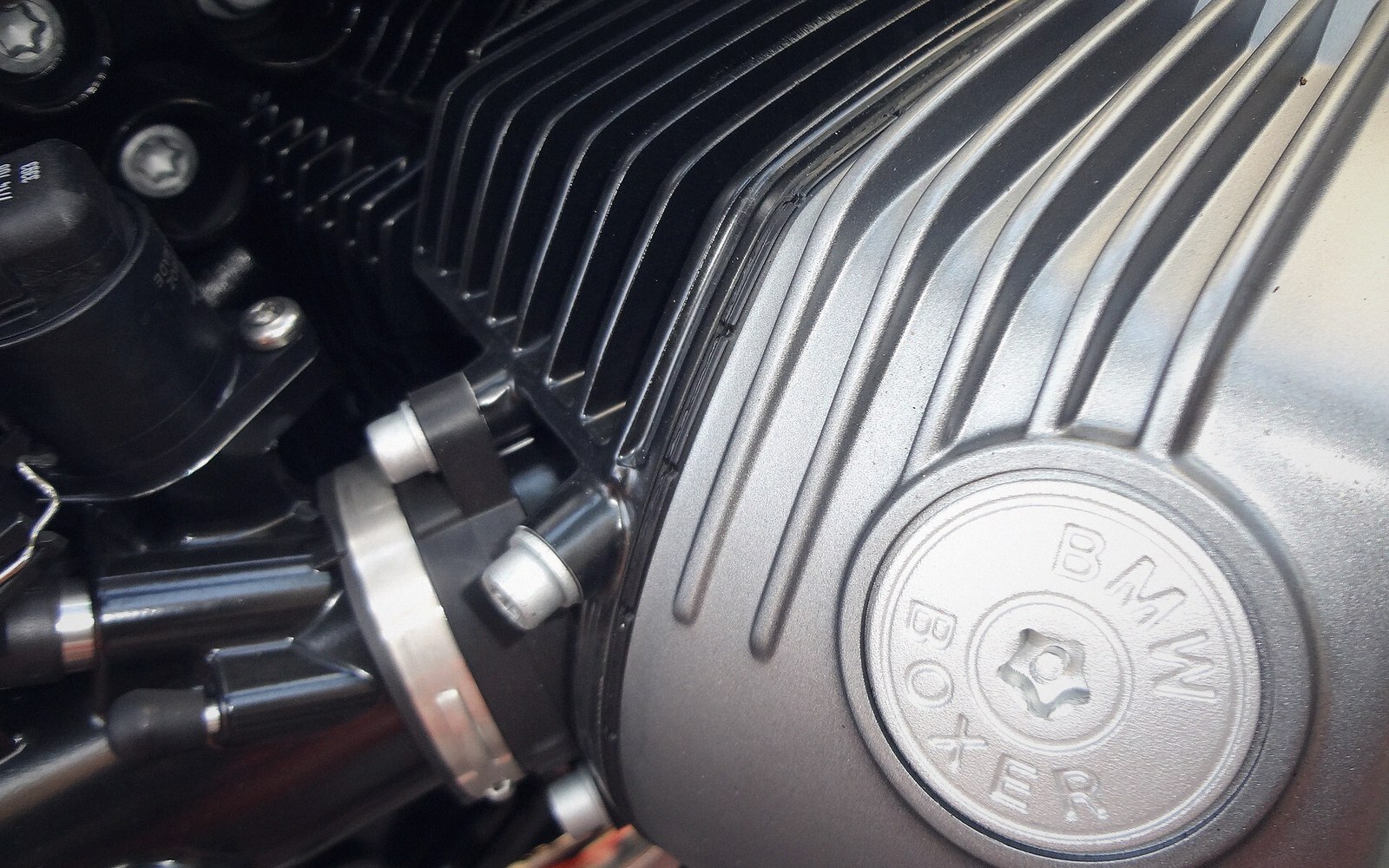
Cylinders in the airflow and mass carried low, at the cost of width and a torque reaction when you blip it.