Firing order and feel
Uneven firing intervals change tyre loading in ways even the rider's hands can detect — and at the limit, those pulses matter.
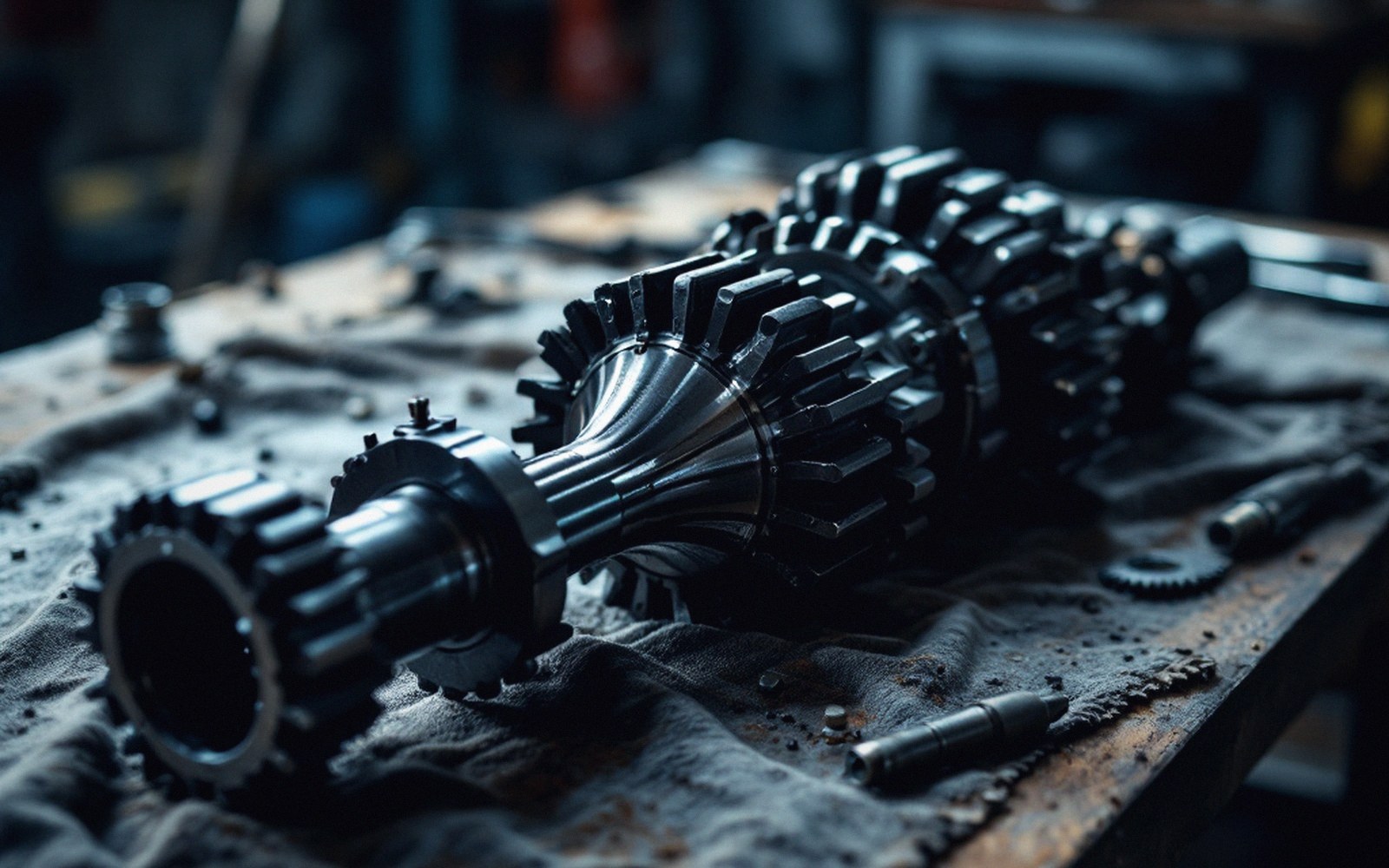
The pulse beneath the slide
Every combustion event is a torque spike. In a twin firing at even intervals — 360° apart on both a parallel twin and a flat twin — those spikes arrive at equal spacing, and the rear tyre sees a metronomic load fluctuation. The contact patch alternately grips harder and relaxes in a predictable rhythm. Predictable is manageable.
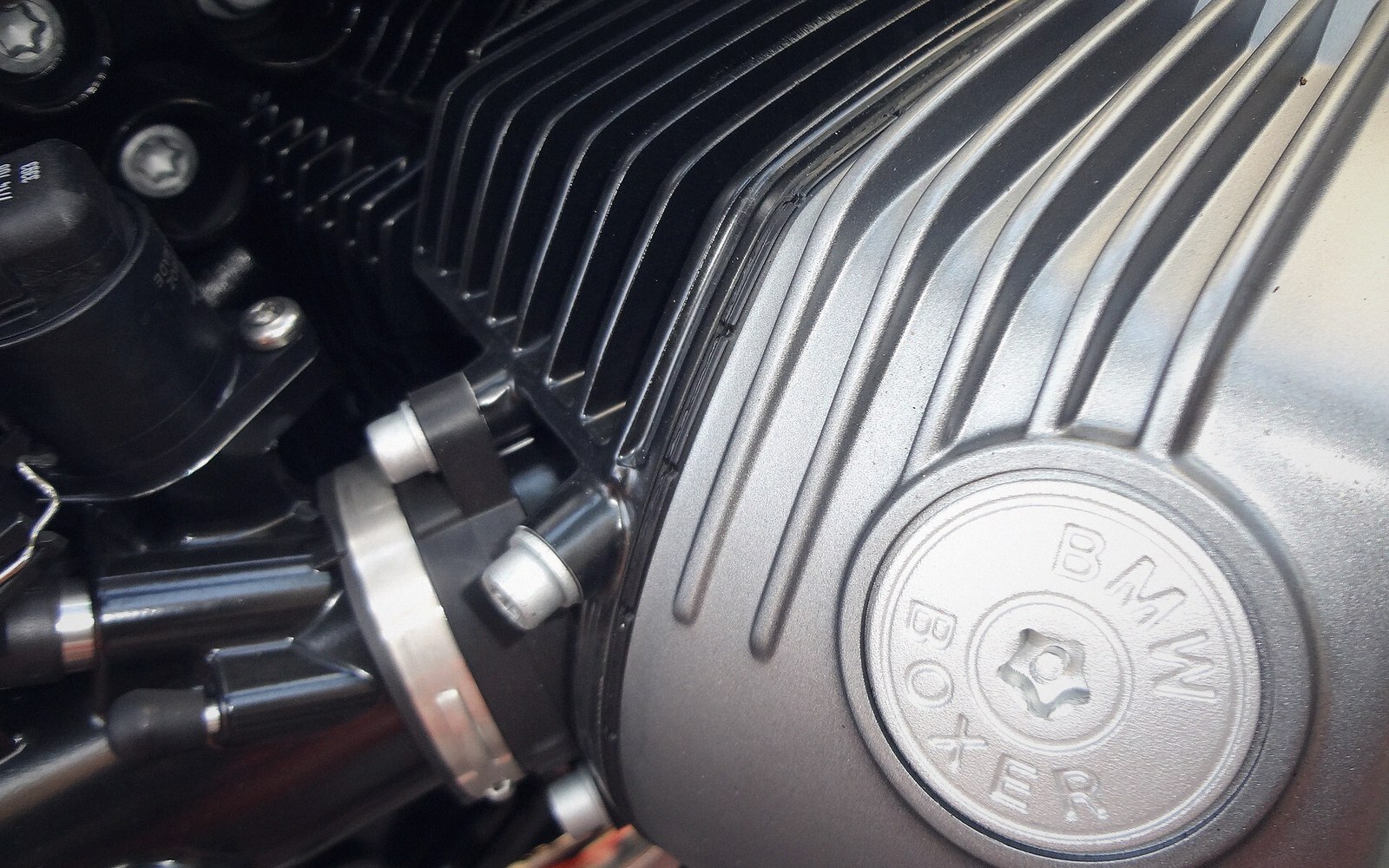
Change that spacing and you change everything downstream. A 90° V-twin fires its two cylinders 270° and 450° apart (measuring crankshaft rotation between power strokes). A 270° parallel twin — a configuration Honda and Yamaha adopted precisely for this reason — mimics that cadence with a simpler engine package. In both cases the tyre gets a long pause, then a short one, then another long pause. The contact patch loads unevenly through each revolution of the rear wheel, and the result is a sensation engineers and riders both describe as a more "connected" feel: the tyre seems to communicate what it's doing because its grip fluctuations are easier for the chassis — and the rider — to read.
The mechanism is straightforward. During the longer pause between firing events, the tyre has time to recover some elastic deformation and re-establish full contact before the next spike arrives. With an even firing interval and high power output, rapid successive spikes can keep the tyre in a state of semi-continuous disturbance, blurring the feedback signal. This is not a small effect at the limit: it is the difference between a tyre that feels like it is sliding with some structure and one that feels like it simply let go.
Ducati's Bologna engineers built the 90° L-twin partly around this property. With both connecting rods sharing a single crankpin, the 90° included angle gives an inherently uneven firing interval, with power strokes 270° and 450° apart rather than evenly spaced. The result was, from the outset, a torque character the factory treated as a handling asset, not merely a consequence of the vee angle. BMW Motorrad's flat twin, with its 360° even firing, trades that communicative pulse for mechanical smoothness and near-zero primary imbalance — a different compromise, honestly made.
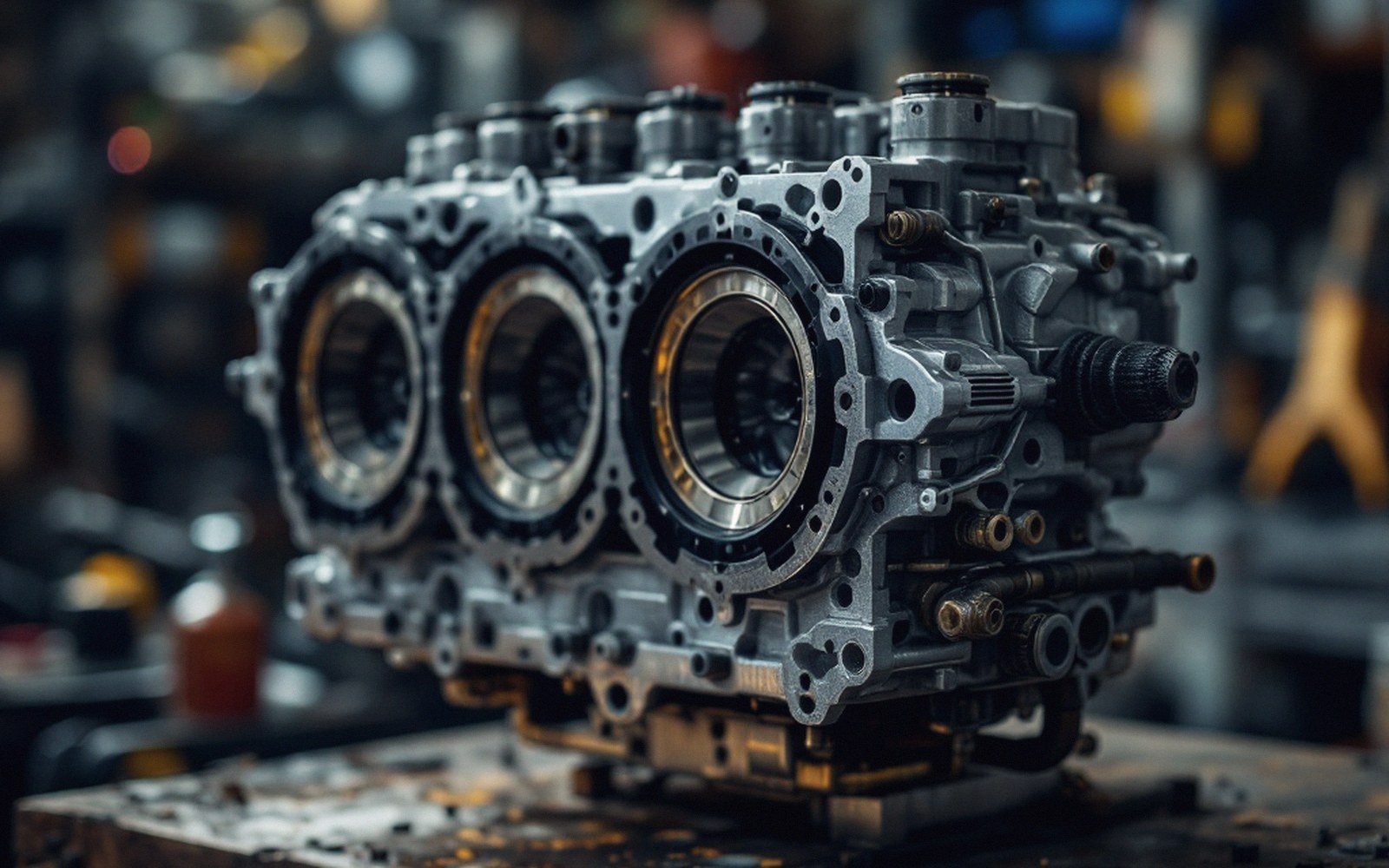
The practical corollary is that firing order is not separable from chassis tuning. A frame and suspension calibrated around even pulses will not feel right with an uneven-firing engine swapped in — the damping rates, the spring preload and the tyre construction all respond to the frequency and amplitude of those torque spikes. The engine's combustion mathematics write themselves into every other parameter on the machine.
Read next
Elsewhere on the site Steering
Countersteering
Above walking pace you turn by pushing the bar away from the corner and the machine falls into the turn.
 Geometry
Rake and trail
The head angle and the distance the contact patch trails behind the steering axis decide how willingly the machine turns and how hard it resists.
 The Front End
The telescopic fork
Almost universal and structurally poor: it bends under braking and its damping fights its own suspension duty.