The Engine as a Member
When the crankcase carries the load, the frame loses tubes it doesn't need — and the mechanic loses access.
A Structural Role Hiding in Plain Sight
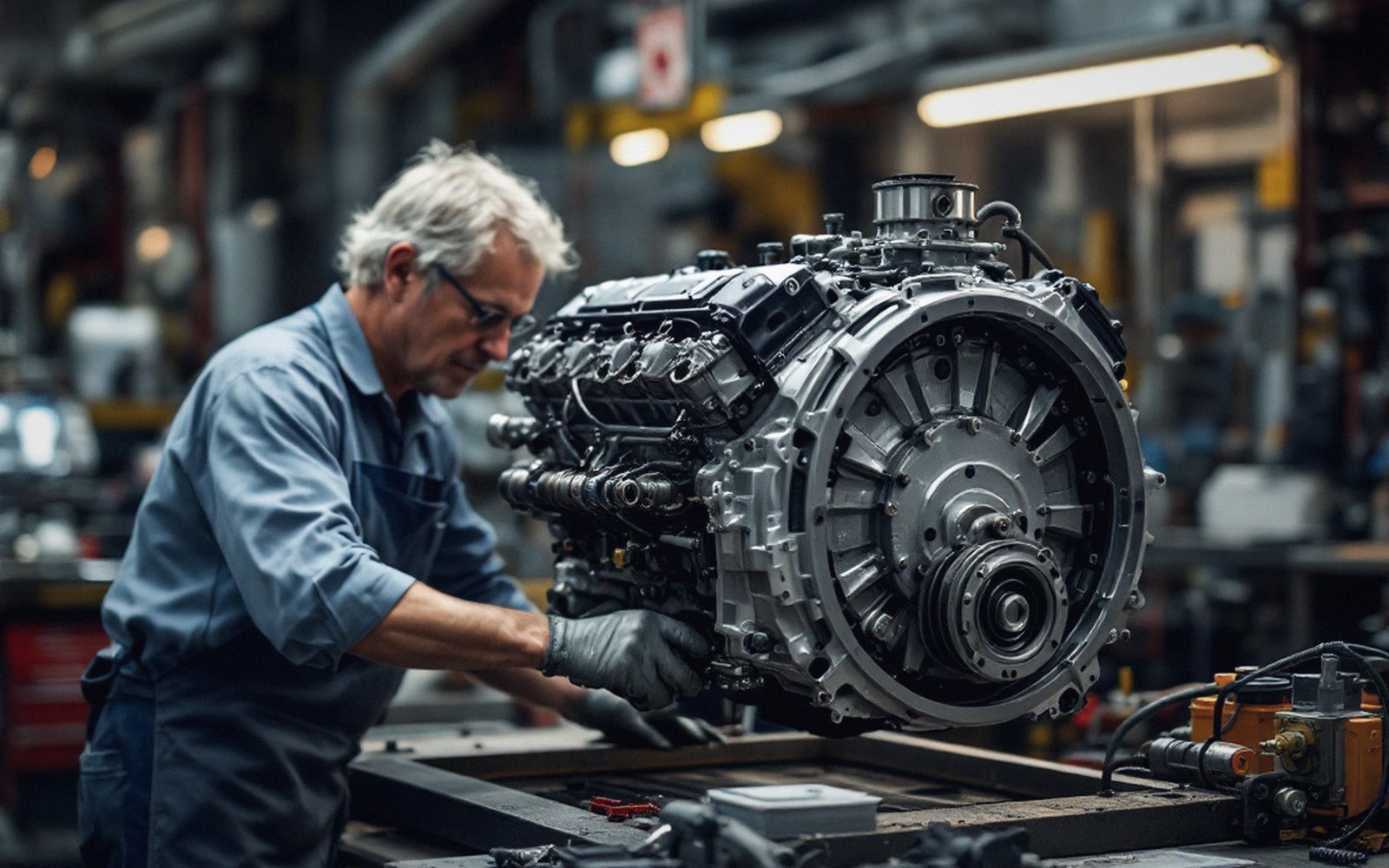
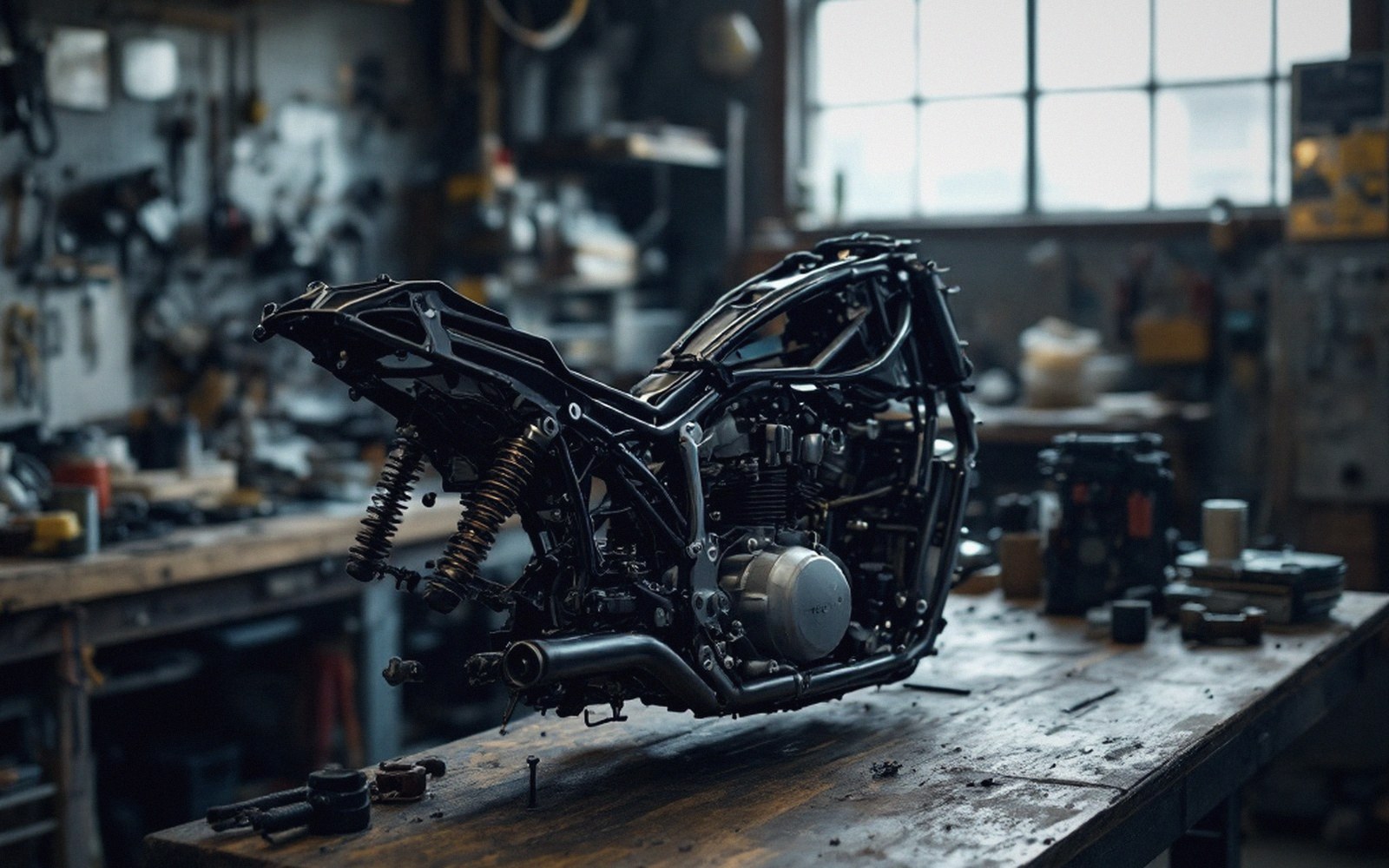
Every motorcycle engine bolts to a frame, but some engines are the frame, or a critical part of it. In a stressed-member design, the crankcase and cylinder assembly carry bending and torsional loads between the steering head and the swingarm pivot, replacing the steel or aluminium tubes that would otherwise triangulate that space. The frame shrinks to front and rear sub-sections; the engine bridges the gap.
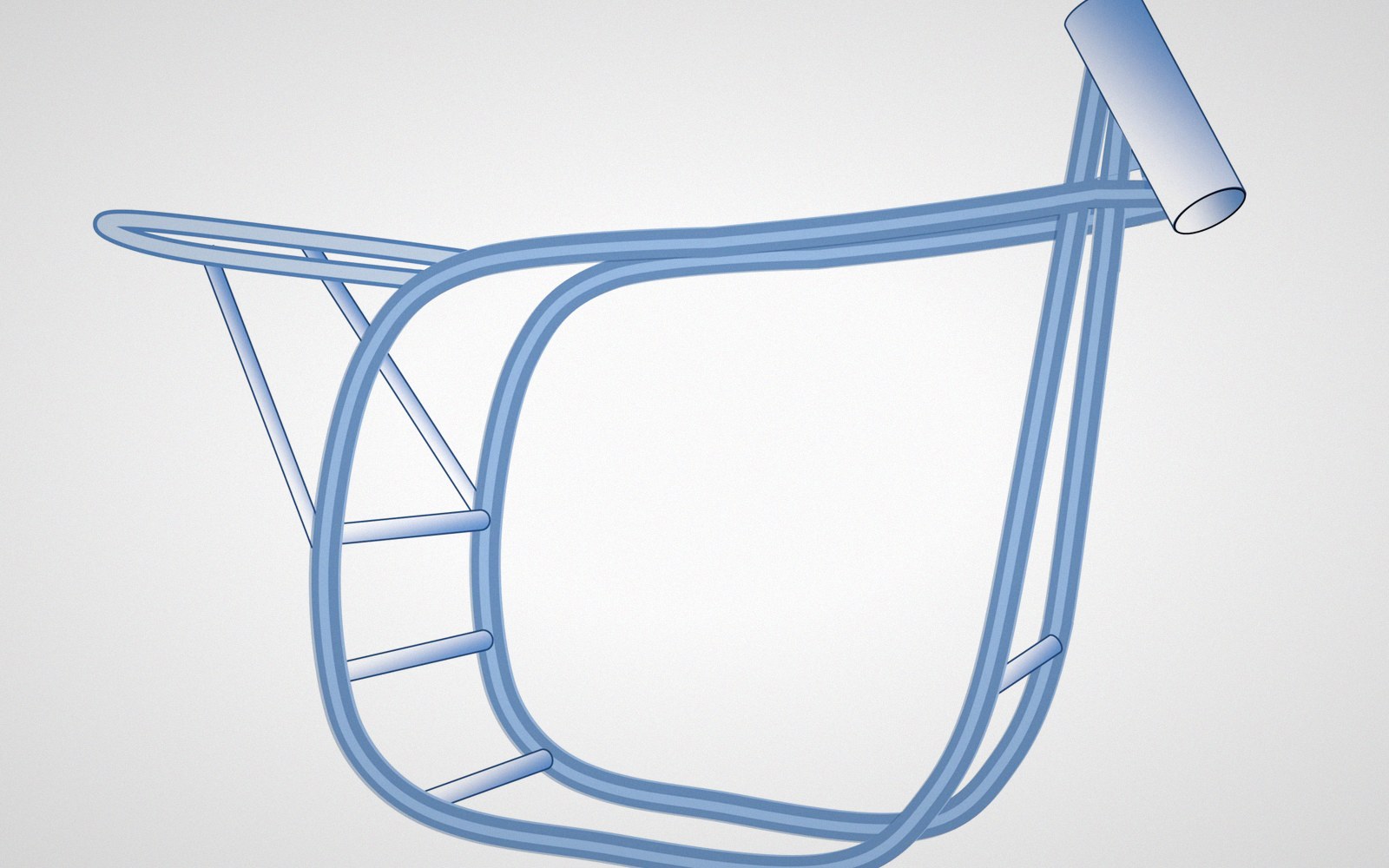
Ducati's L-twin layout, developed through the 1970s and refined in the 900SS and later Pantah family, made this approach commercially prominent. The wide-angle V between the cylinders leaves a clear triangular space that a frame designer can exploit: the front sub-frame locates the steering head, the crankcase picks up bending loads through the middle, and a short rear section carries the swingarm. Bologna's engineers chose it partly because the trellis structure surrounding it could then be made lighter without sacrificing rigidity. Honda applied a similar logic to several four-cylinder platforms, using the engine as a lower structural element while retaining a more complete perimeter frame above.
The engineering gain is real. A crankcase cast from aluminium alloy is already a large, thick-walled component engineered to handle combustion forces far greater than chassis bending loads. Using it as a structural bridge adds almost no mass to the crankcase itself, while the deleted tubes — their weight, their junctions, their weld heat-affected zones — genuinely disappear. The frame becomes shorter and stiffer as a result.
The cost appears the moment a mechanic needs to reach the bottom of the engine. In a conventional chassis the engine drops out; in a stressed-member design, removing it means unbolting a structural element, which typically requires partially dismantling the frame. On a circuit where a rebuild happens overnight that is an inconvenience. On a road machine it drives up labour time and, therefore, cost. The tradeoff is decided before the first prototype is built, and it does not change afterwards.
Read next
Elsewhere on the site Steering
Countersteering
Above walking pace you turn by pushing the bar away from the corner and the machine falls into the turn.
 Geometry
Rake and trail
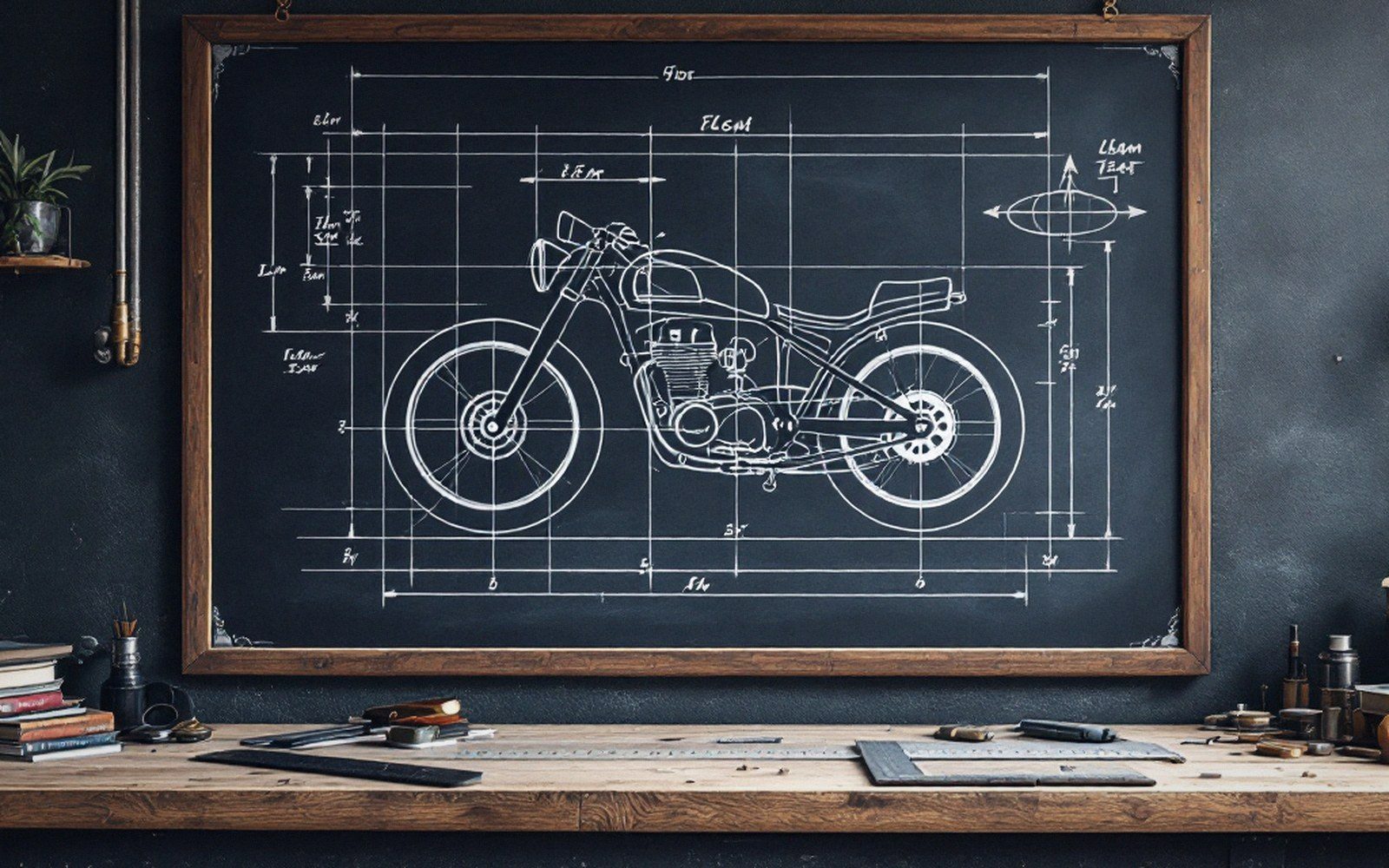
The head angle and the distance the contact patch trails behind the steering axis decide how willingly the machine turns and how hard it resists.
 The Front End
The telescopic fork
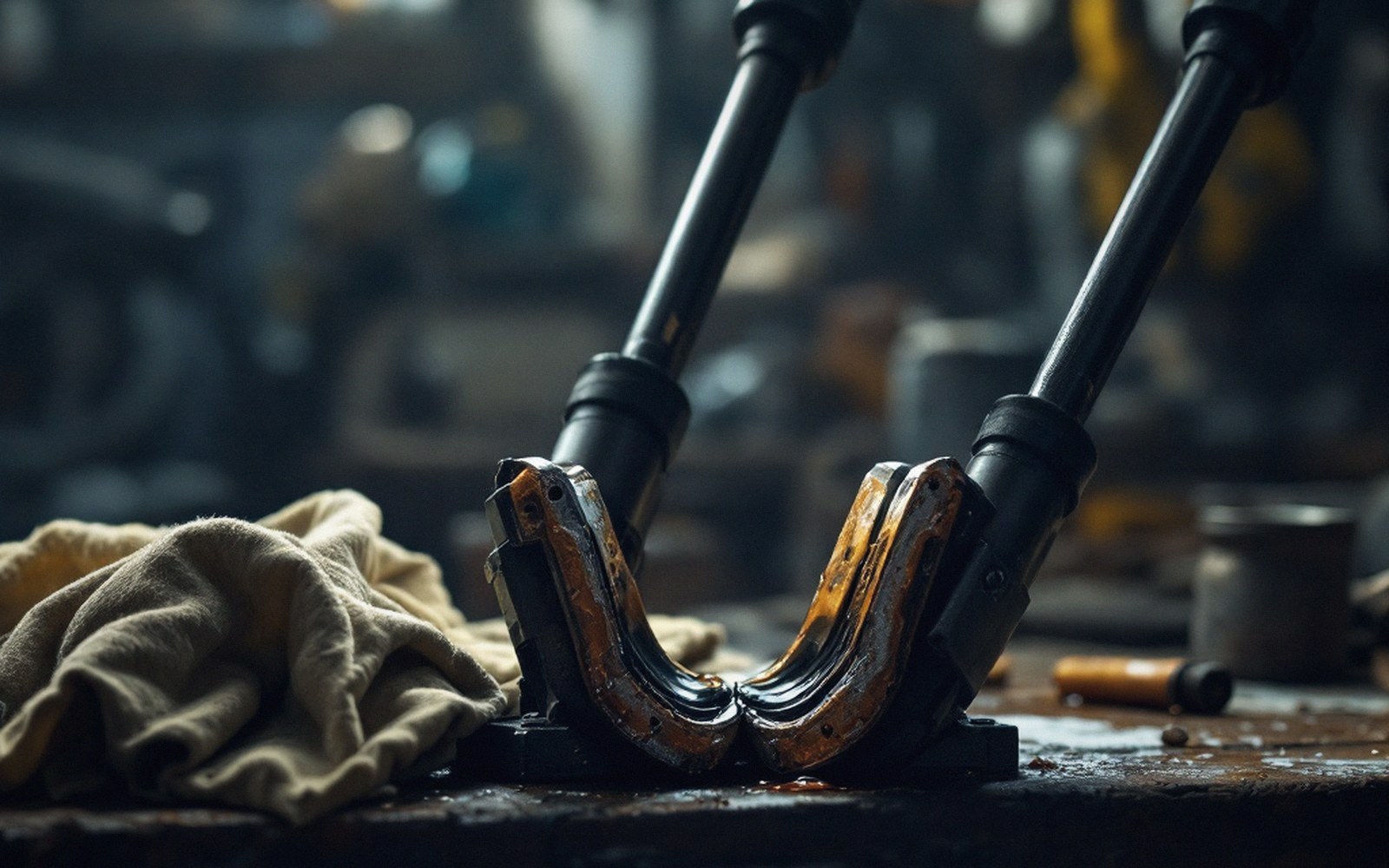
Almost universal and structurally poor: it bends under braking and its damping fights its own suspension duty.